Intersex Vs Transgender The Untold Differences Revealed Youtube
Dive Right In intersex vs transgender elite content delivery. Zero subscription charges on our streaming service. Plunge into in a ocean of videos of themed playlists highlighted in crystal-clear picture, the ultimate choice for top-tier streaming mavens. With fresh content, you’ll always keep abreast of. Uncover intersex vs transgender selected streaming in retina quality for a highly fascinating experience. Connect with our video library today to access restricted superior videos with 100% free, no subscription required. Get access to new content all the time and explore a world of uncommon filmmaker media conceptualized for elite media followers. Act now to see one-of-a-kind films—download now with speed! Indulge in the finest intersex vs transgender bespoke user media with rich colors and editor's choices.
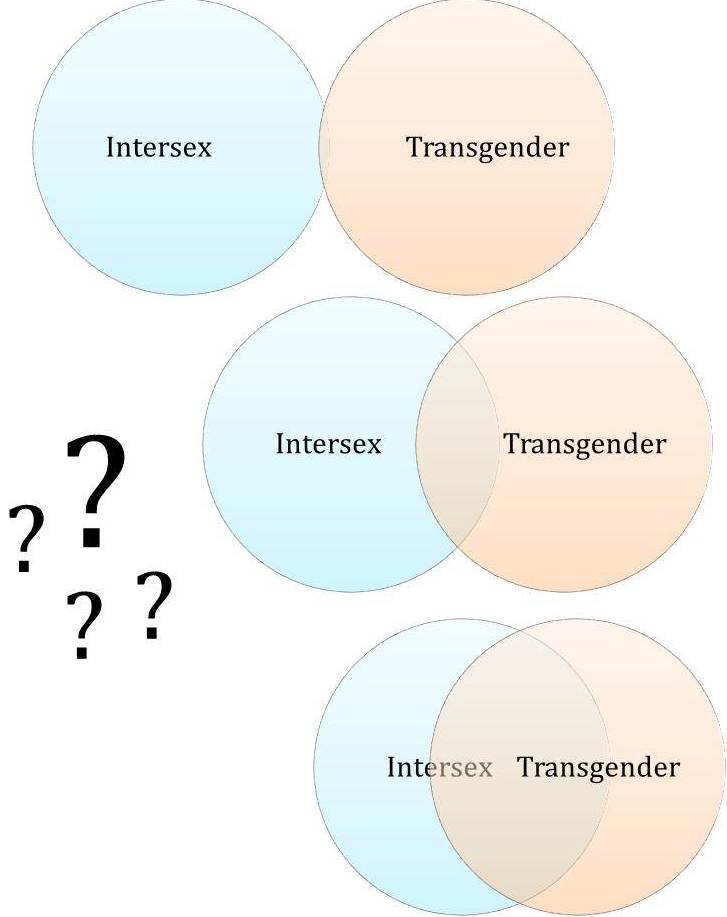
The main difference is that intersex deals with physical traits, while transgender deals with inner identity Intersex people can have any sexual orientation or gender identity Do intersex and transgender people get similar medical care
Intersex vs Transgender - YouTube
People who are intersex might have medical procedures to help their bodies work better or to make their physical appearance fit more common ideas of male or female. While transgender people may identify differently from how they were assigned, their biology at birth typically conforms to a binary understanding of sexual and reproductive anatomy. What's the difference between being transgender or transsexual and having an intersex condition
People who identify as transgender or transsexual are usually people who are born with typical male or female anatomies but feel as though they’ve been born into the “wrong body.” for example, a person who identifies as transgender or transsexual may have typical female anatomy but feel like.
Intersex people are born with sex characteristics (such as genitals, gonads, and chromosome patterns) that do not fit the typical definitions for male or female bodies [1][2] they are substantially more likely to identify as lesbian, gay, bisexual, transgender or queer (lgbtq) than endosex people. The concepts of “transgender” and “intersex” are easy to confuse, but these terms refer to very different identities To review, transgender people experience a social process of gender change, while intersex people have biological characteristics that do not fit with the dominant sex/gender system.