Washing Machine Leaking From Bottom How To Fix
Start Now washing machine leaking from bottom exclusive online video. On the house on our video archive. Step into in a comprehensive repository of curated content showcased in superb video, a dream come true for discerning viewing connoisseurs. With trending videos, you’ll always be informed. Uncover washing machine leaking from bottom chosen streaming in crystal-clear visuals for a truly enthralling experience. Be a member of our digital hub today to experience special deluxe content with at no cost, registration not required. Be happy with constant refreshments and navigate a world of exclusive user-generated videos developed for superior media devotees. Take this opportunity to view singular films—download now with speed! Explore the pinnacle of washing machine leaking from bottom one-of-a-kind creator videos with breathtaking visuals and curated lists.
This article will explore the most common reasons why your washing machine is leaking from the bottom and guide you through troubleshooting and potential solutions. Use this troubleshooting guide to help fix common washing machine leaks, including those from the bottom of the drain hose. Do you have a washer leaking from the bottom
Washing Machine Leaking from Bottom - 5 Causes + Repairs
Tackle this issue today and learn to diagnose and fix the problem by following these 8 simple steps. Clogs can happen from excess suds caused by using too much detergent or combining laundry products inappropriately. In this guide, we will discuss how to locate the cause for your washing machine leaking from bottom
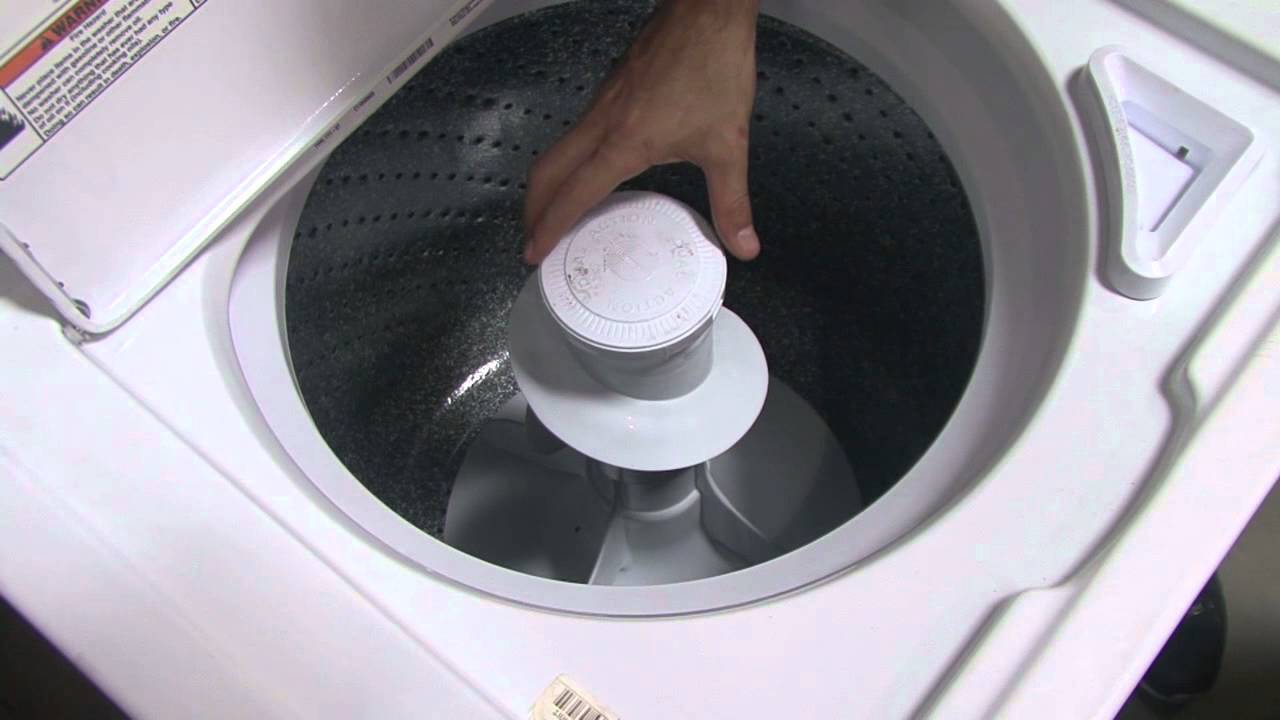
We’ll discuss both top load machines and front load machines
Some of these solutions are an easy fix, and you can do it yourself without the cost of a technician Over time, this seal may crack or tear, causing leaks from the front or bottom during cycles Regular inspection can identify damage early and prevent your washing machine from future leakage issues. Your washing machine may leak from the bottom during the fill cycle due to a faulty water inlet valve or damaged supply hoses
Make sure the connections are tight and consider replacing the inlet hose The second most likely cause is a faulty water level switch which causes an overfilling of water.