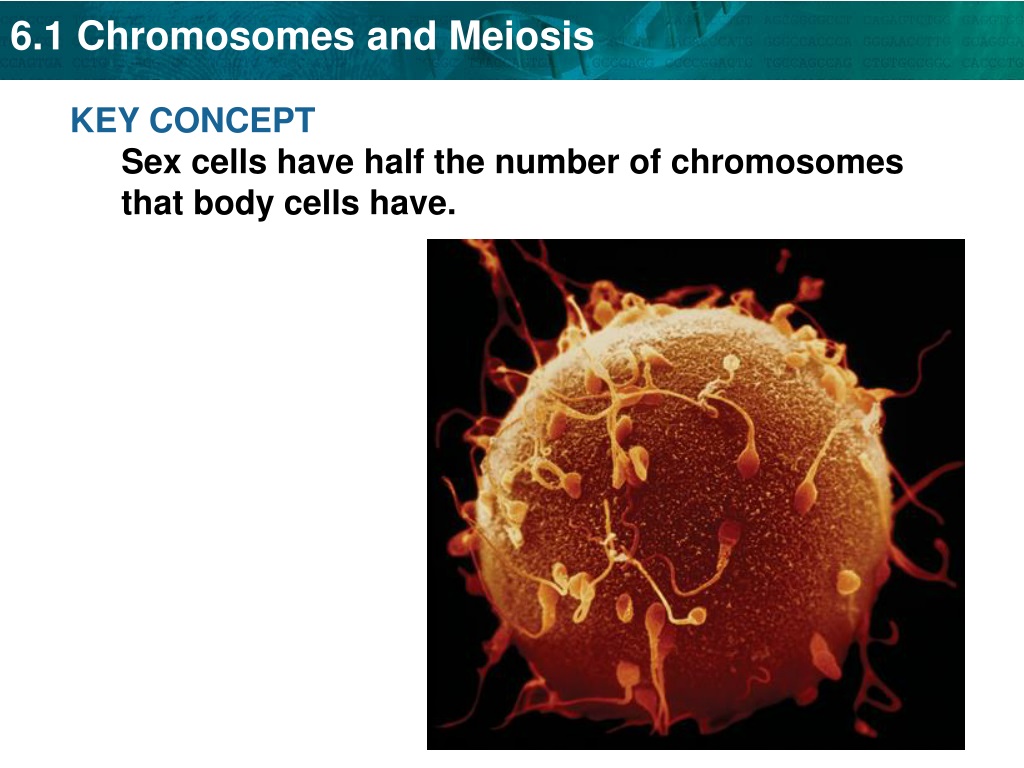
Sex Cells With Half The Number Of Chromosomes Ppt Key Concept Have That
Play Now sex cells with half the number of chromosomes curated digital media. Completely free on our visual library. Submerge yourself in a treasure trove of shows presented in cinema-grade picture, tailor-made for passionate streaming fanatics. With contemporary content, you’ll always receive updates. stumble upon sex cells with half the number of chromosomes selected streaming in fantastic resolution for a highly fascinating experience. Access our viewing community today to access special deluxe content with 100% free, no recurring fees. Look forward to constant updates and investigate a universe of rare creative works conceptualized for elite media experts. This is your chance to watch unique videos—start your fast download! Explore the pinnacle of sex cells with half the number of chromosomes one-of-a-kind creator videos with brilliant quality and preferred content.
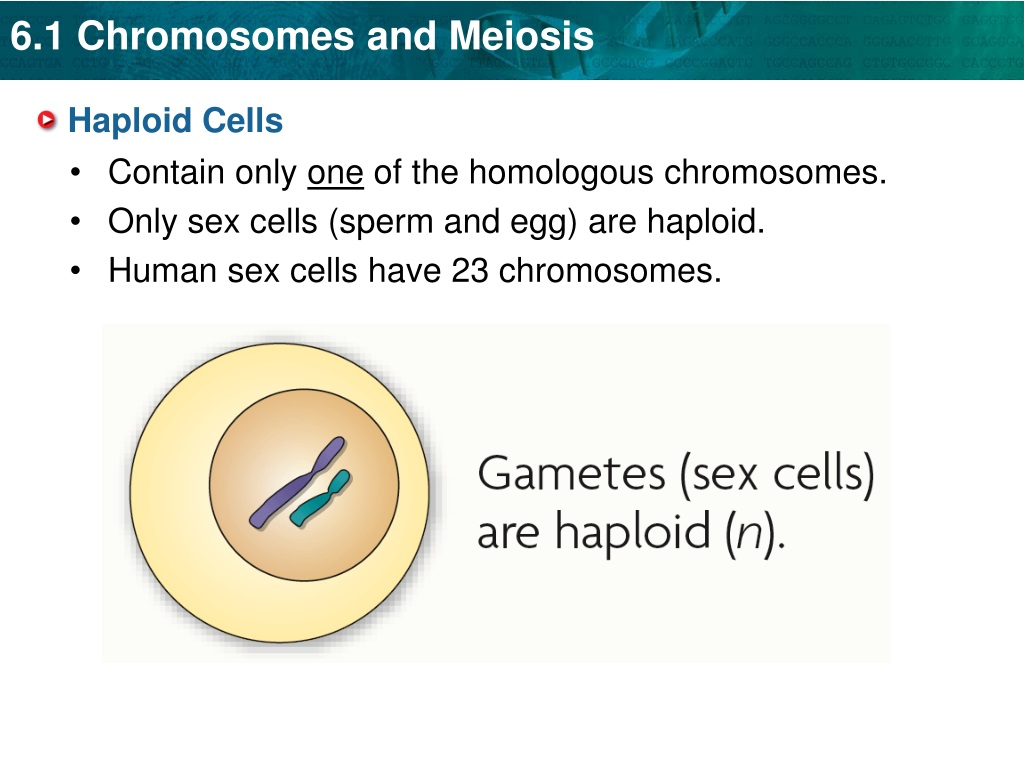
The daughter cells are haploid (n), having half of the chromosome number of the original cell, which is diploid (2n) Human sex cells, like eggs and sperm, have only half the number of chromosomes because when they combine during fertilization, they create a new cell with the full set of chromosomes. Meiosis produces sex cells, while mitosis replicates cells from growth and repair.
Page # Name Date Points My Points 82 Notes 8.1 2/ Notes ppt download
Meiosis, division of a germ cell involving two fissions of the nucleus and giving rise to four gametes, or sex cells, each with half the number of chromosomes of the original cell In human meiosis, each of the resulting cells has only one of each of your 23 chromosome pairs instead of 23 complete pairs of chromosomes. The process of meiosis is characteristic of organisms that reproduce sexually and have a diploid set of chromosomes in the nucleus.
During meiosis one cell divides twice to form four daughter cells
Meiosis can be divided into nine stages. The sex cells that contain only half of the normal number of chromosomes called the haploid number (the symbol is n) The cell divides twice to form four gametes, each with a single set of chromosomes ( haploid close haploida sex cell (gamete) that contains one set of chromosomes To achieve half the number of chromosomes, the germ cells (the cells that form sperm and eggs) undergo a process called meiosis
..jpg)